THE OBSERVING FIELDBOOK
A clear night is useful when you know where to begin.
Find a target, choose the simplest instrument, and understand what the sky is likely to change.
Reviewed sightsFive instrument tiersSources shown
Browse the Field IndexNew field records
Added to the observing desk
- Sky Charts Before the WebClubs traded charts, planet positions and star party dates over public community networks long before the browser reached the telescope.
- An Observing Log on a MacA season of visual notes needs a table, a client that opens it without ceremony, and a job that copies it while the observer sleeps.
- The Cross-Quarter Days in the SkyThe four quarter days sit between the solstices and the equinoxes, and the sky is what puts the last night of October where it is.
- A Personal Haiku Project on the Civil WarHow to build a personal haiku collection on the American Civil War: sequence by ground, seasonal words, kireji, and a short-form comparison for teaching.
- Dark Swords and Historical Sword RecordsDark Swords, the English-language MMORPG by High Tower, and how historical sword records help a curious player read the game's weapons.
- Online retail after the pandemic shiftWhat changed in online retail after 2020, which categories held, and how payments, returns and marketplaces work now. A field guide to the mechanics.
- Responsible Dress: A Field MethodA method for buying, wearing and mending everyday clothes with care: fewer pieces, known fibres, real climate, longer use.
- Jabber and XMPP: Open Messaging ExplainedJabber, now XMPP, is an open XML streaming protocol for messaging. Its stanzas, JIDs, servers and history, explained for observers and tinkerers.
- Watercolor Washes, Glazing, and Muddy ColorFlat and graded washes, glazing in layers, and fixes for muddy color, hard edges, and blooms. A field guide to watercolor technique for beginners and
- Faith in Company: How Belief Was PracticedChristian faith in Lincoln's world was communal before it was personal. A field guide to congregations, prayer meetings, and public worship.
- Yarn Shops as Physical PlacesA field guide to the physical yarn shop: what a storefront offers that a warehouse cannot, how to read a shelf, and what to bring to a first visit.
- Independent Music: A Field Guide to First RecordsA practical guide to independent music: first singles, small venues, local scenes, and how listeners and musicians can follow new work without hype.
- Radio Cluster Hiring: A Field GuideHow a four station radio cluster runs its public site and hiring page, from job listings to the technical vocabulary a new applicant should already know.
- PC Stability and Diagnostics: A Field MethodMemory tests, SMART attributes, sensor readings and burn-in each answer a narrow question. A method for reading PC hardware diagnostics without overclaiming.
- US Model Replica Shops: A Field GuideHow American model replica shops work, what to inspect before buying, and how collectors store finished aircraft and ship models.
- American Wooden Lure Makers: A Field GuideHow American wooden surf lure makers work, from poppers and darters to sealing, weighting and hook tuning, with a field reference for reading water.
- Traditional Pop: A Field Guide to RecordsA field guide to traditional pop: how to read session sheets, identify pressings, store vinyl, and follow the paper trail behind the songs.
- Indoor Play for Young ChildrenA field guide to indoor play for children aged 1 to 10, with room limits, mess levels, and a simple way to plan an afternoon.
- Teaching Windows Upkeep as a SkillA field guide to teaching Windows maintenance, security, and hardware habits as practical skills for students and families who share a home computer.
- Coffee Grind and Water: A Field GuideA practical guide to coffee grind, water ratio, and extraction faults for home brewers, with a reference for reading roast dates and fixing a bitter or sour
Choose a route
The field starts where you are.
5 / Used Gear
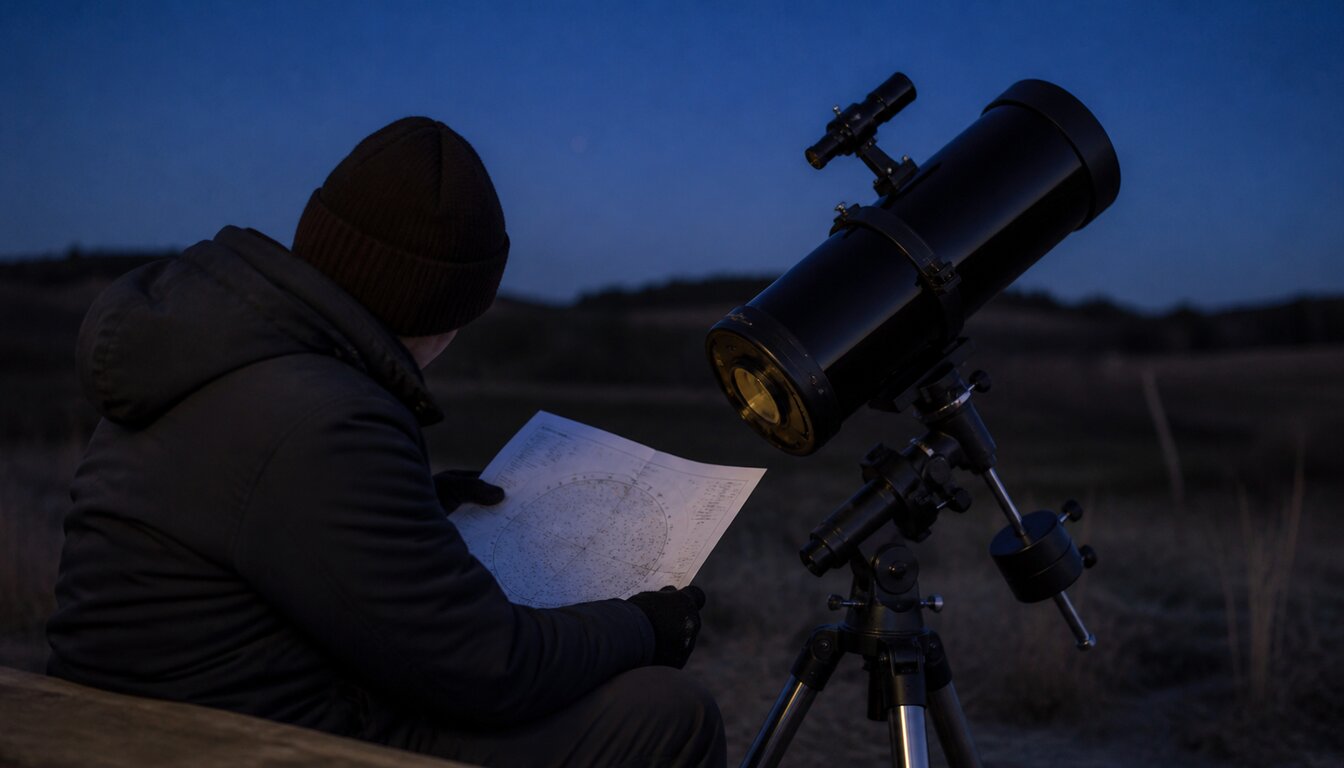
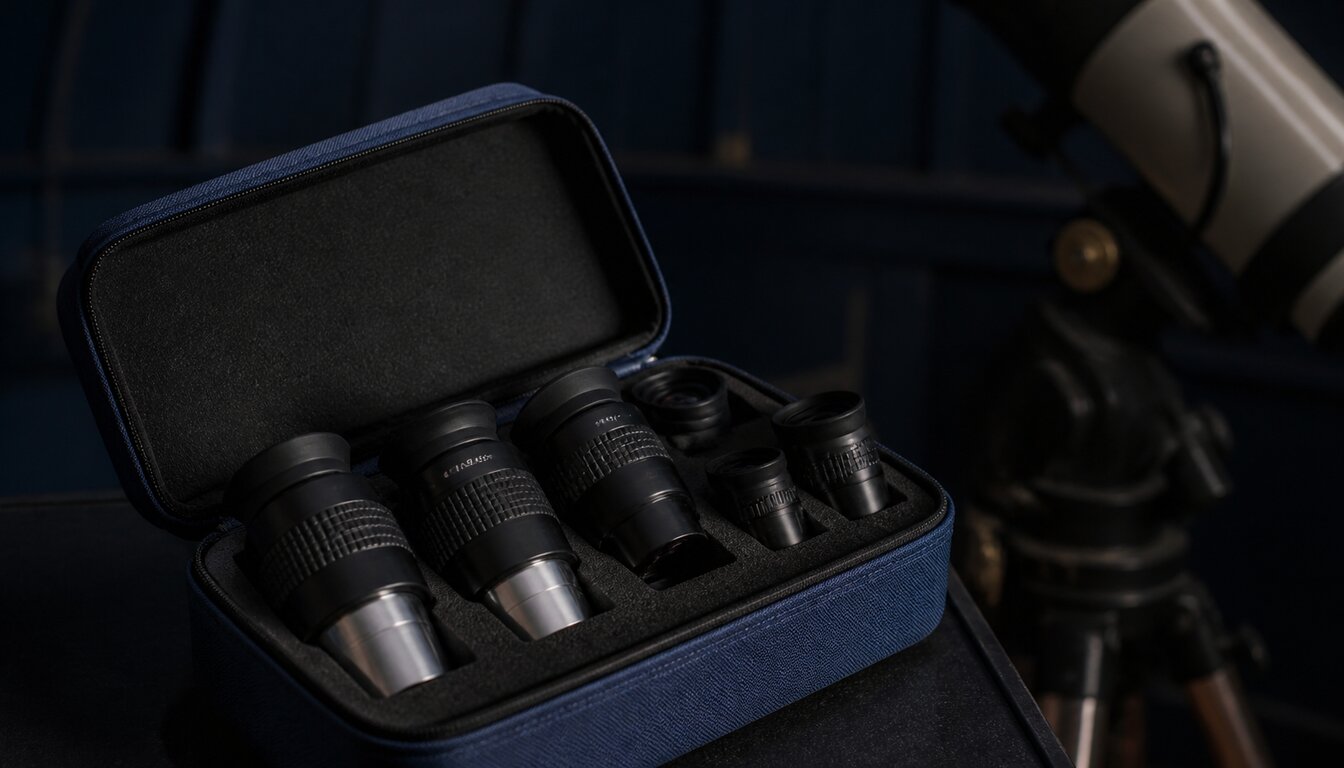
Used Gear
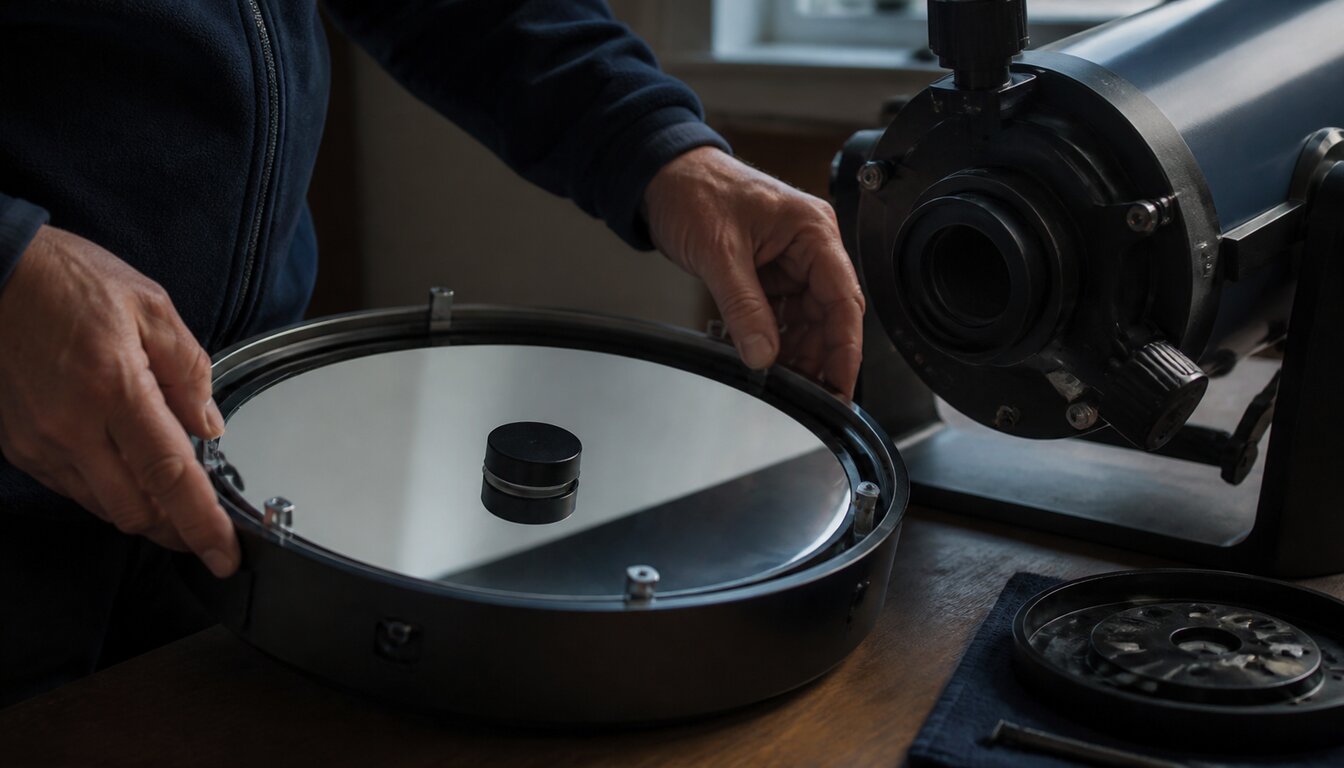
Inspect a used telescope, mount, or binocular without relying on a listing description.
Sky brightness Choose resilient targets before faint ones.
Atmosphere Steady air and transparency solve different problems.
Moonlight A bright Moon changes the list, not the value of a session.
Instrument ladder
Let the next target decide the next tool.
Eyes, binoculars, and small telescopes all have productive first jobs. The important question is how much field, brightness, and steadiness the target needs.
- Naked eyeMoon, Pleiades
- BinocularsPleiades, Andromeda
- Small scopeMoon, Jupiter
- 150 mm classClusters, nebulae
- 200 mm classFainter detail
REVIEWED SIGHT
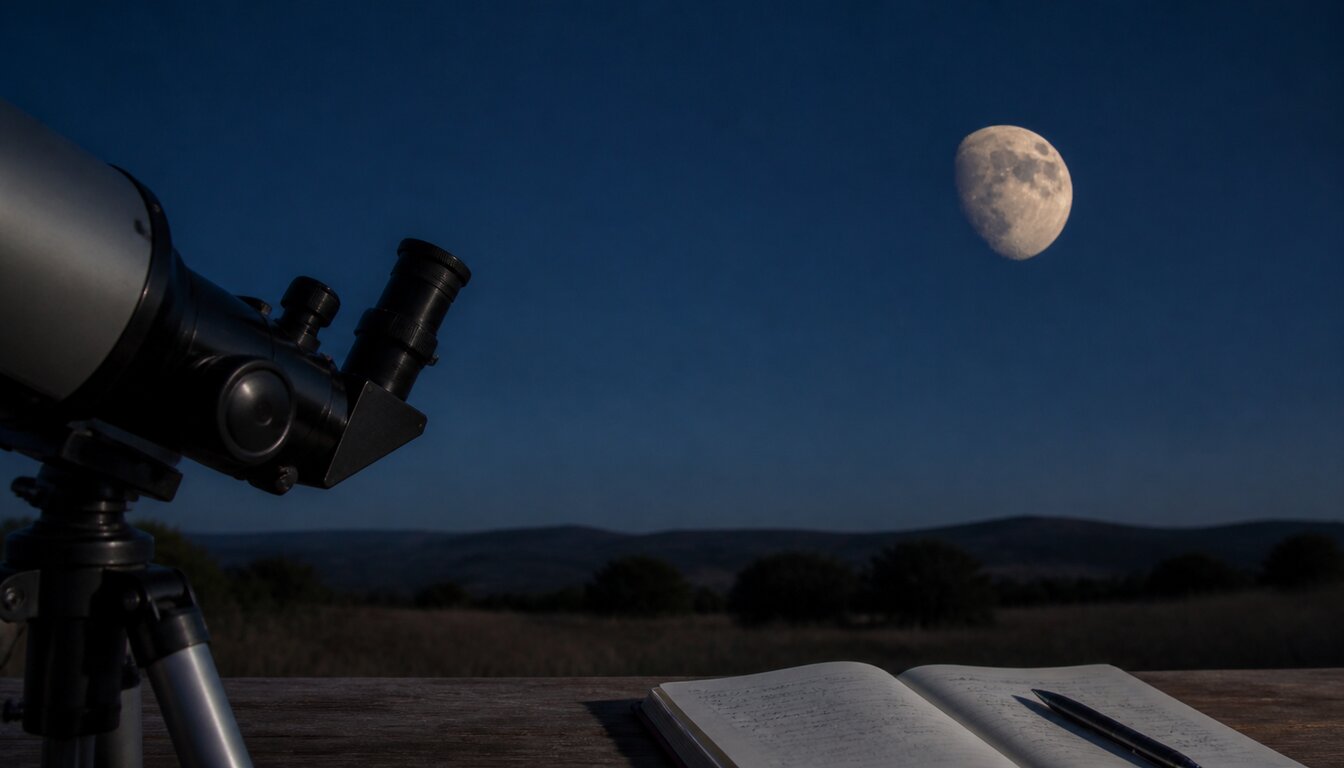
Moon
Moon features sharpen near the terminator.
REVIEWED SIGHT
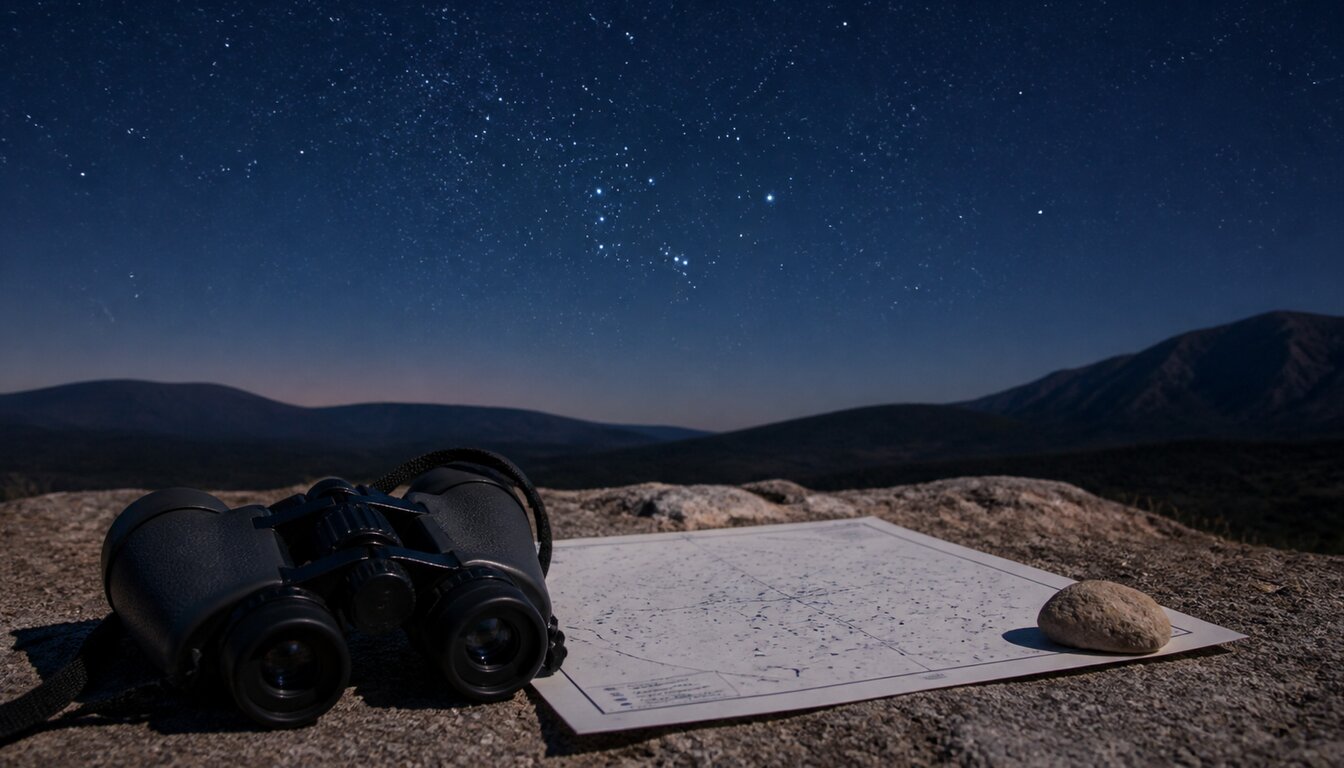
Pleiades
Wide field keeps the cluster together.
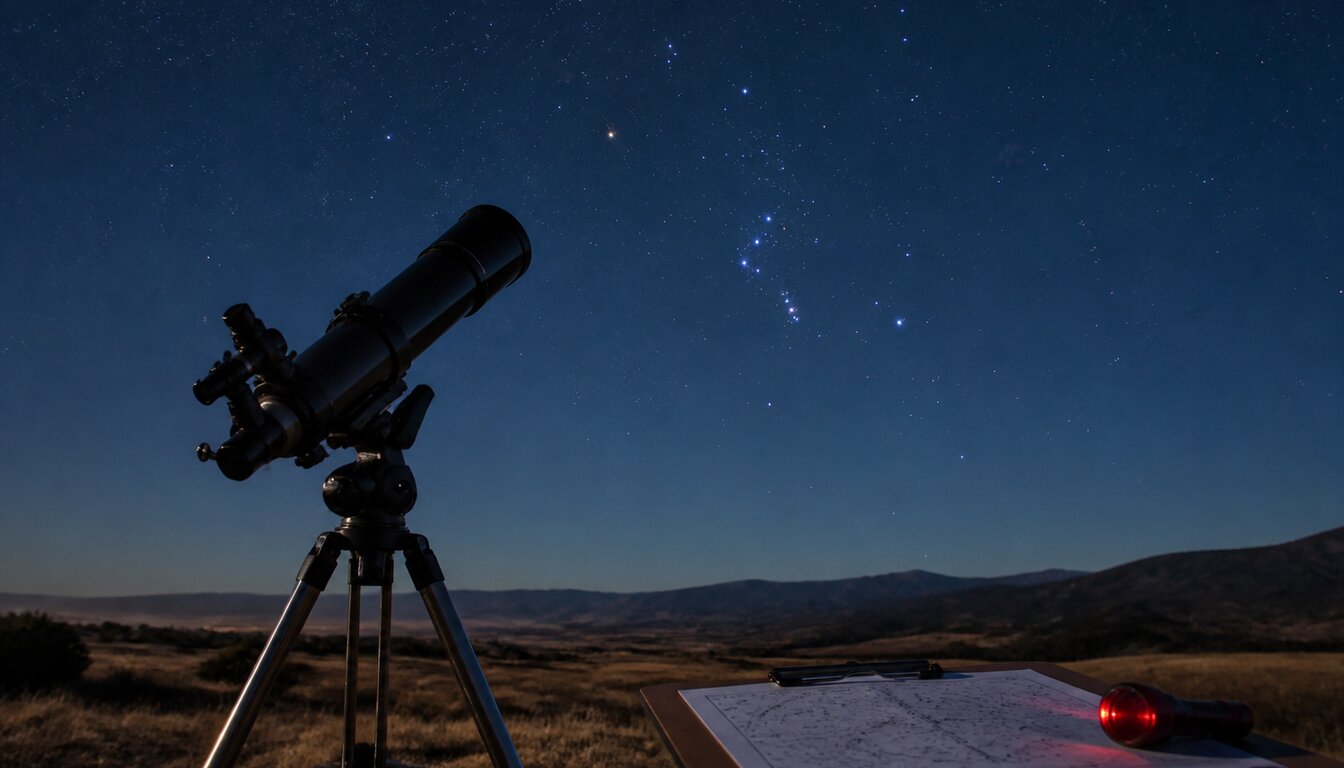
REVIEWED SIGHT
Orion Nebula
Bright enough to introduce sky sensitivity.
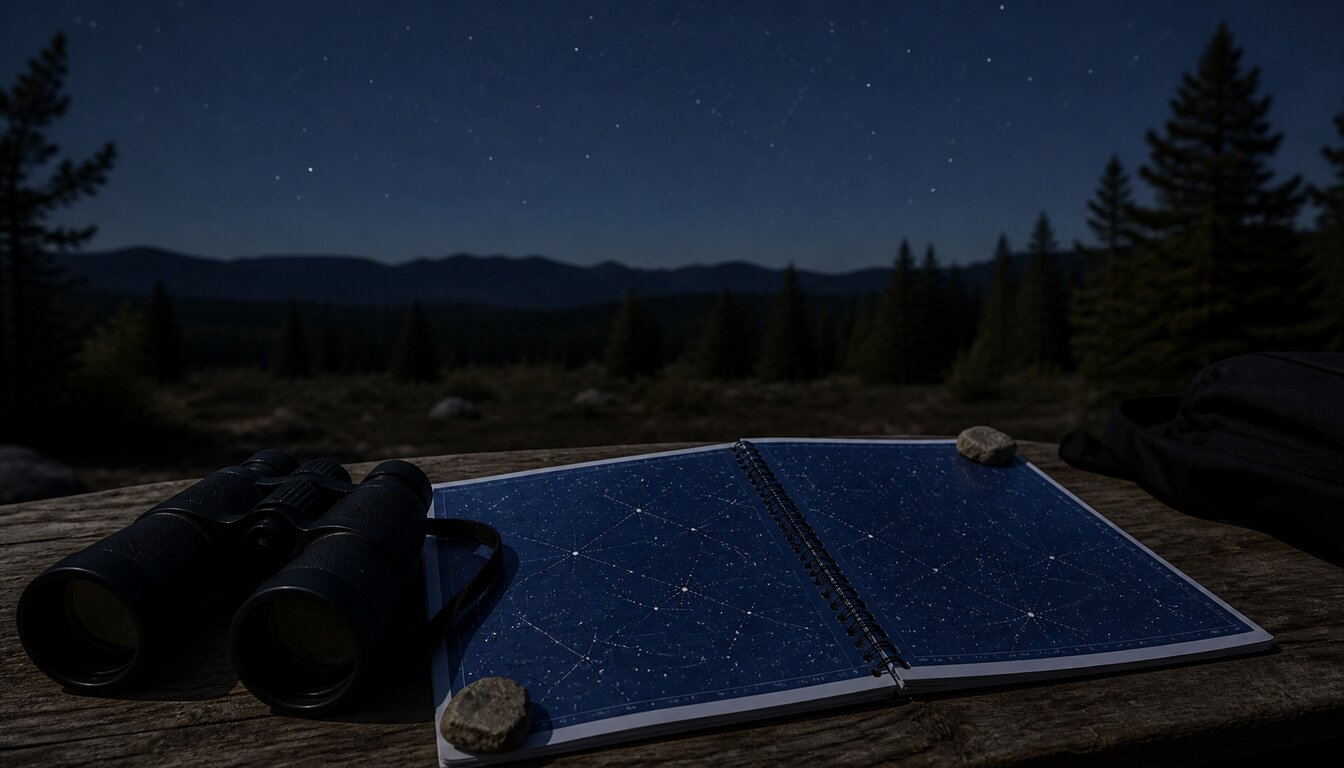
REVIEWED SIGHT
Andromeda
A bright core, not a photograph in the eyepiece.
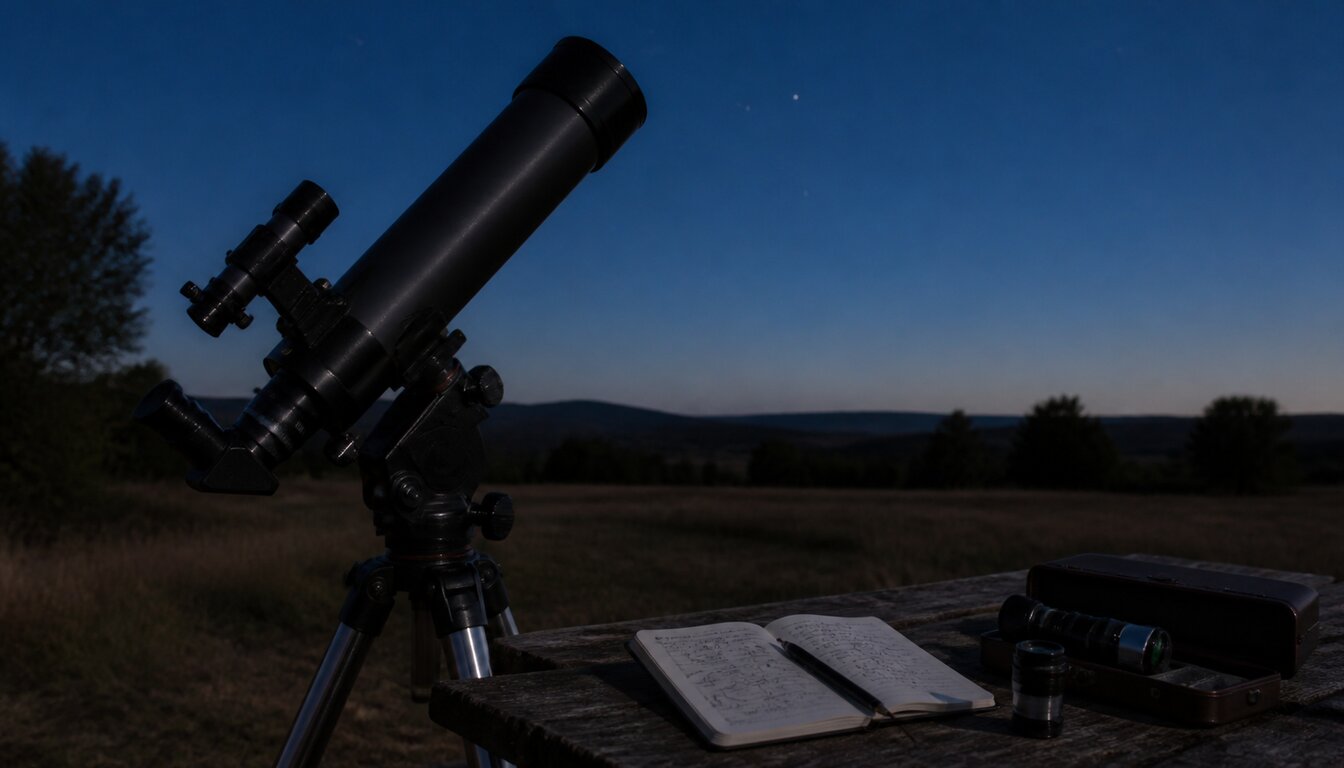
REVIEWED SIGHT
Jupiter
Belts and moons reward steady air.
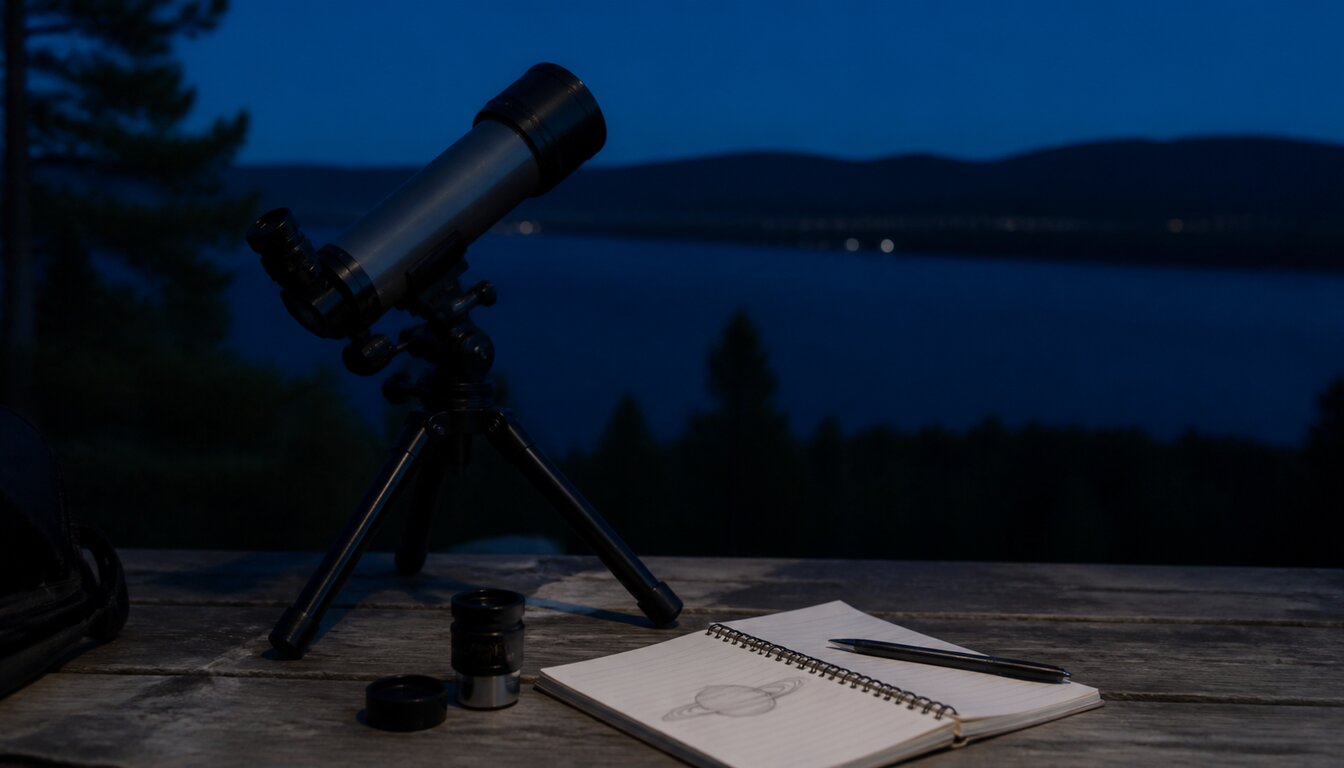
REVIEWED SIGHT
Saturn
Focus and patience reveal the rings.
First night sequence
Ten modest steps beat one heroic session.
- 01Set the mount on stable ground
- 02Align the finder before dark
- 03Choose the low-power eyepiece
- 04Start with the Moon or a bright target
- 05Focus slowly
- 06Check the finder again
- 07Use dim red light
- 08Rest your eyes
- 09Make a short note
- 10Cap, carry, and review
Step zero, before any of the ten, is checking what the ground is doing. A handful of nights a year are ruined less by cloud than by a municipal event, and in the United States the first week of July is the worst of them: displays put smoke and low glare over an entire valley for two hours, and the number you need is a launch time, not an ephemeris. A county listing of York PA fireworks is a good model of the format, with sites, start times and the finale, which is enough to decide whether to drive upwind or simply take the night off.
Read the complete first-night sequence for the reason behind each step.
Field Notes
Recent additions to the observing desk.
· Observe
First Night
A field sequence for finder alignment, low power, forgiving targets, and useful notes.
· Equipment
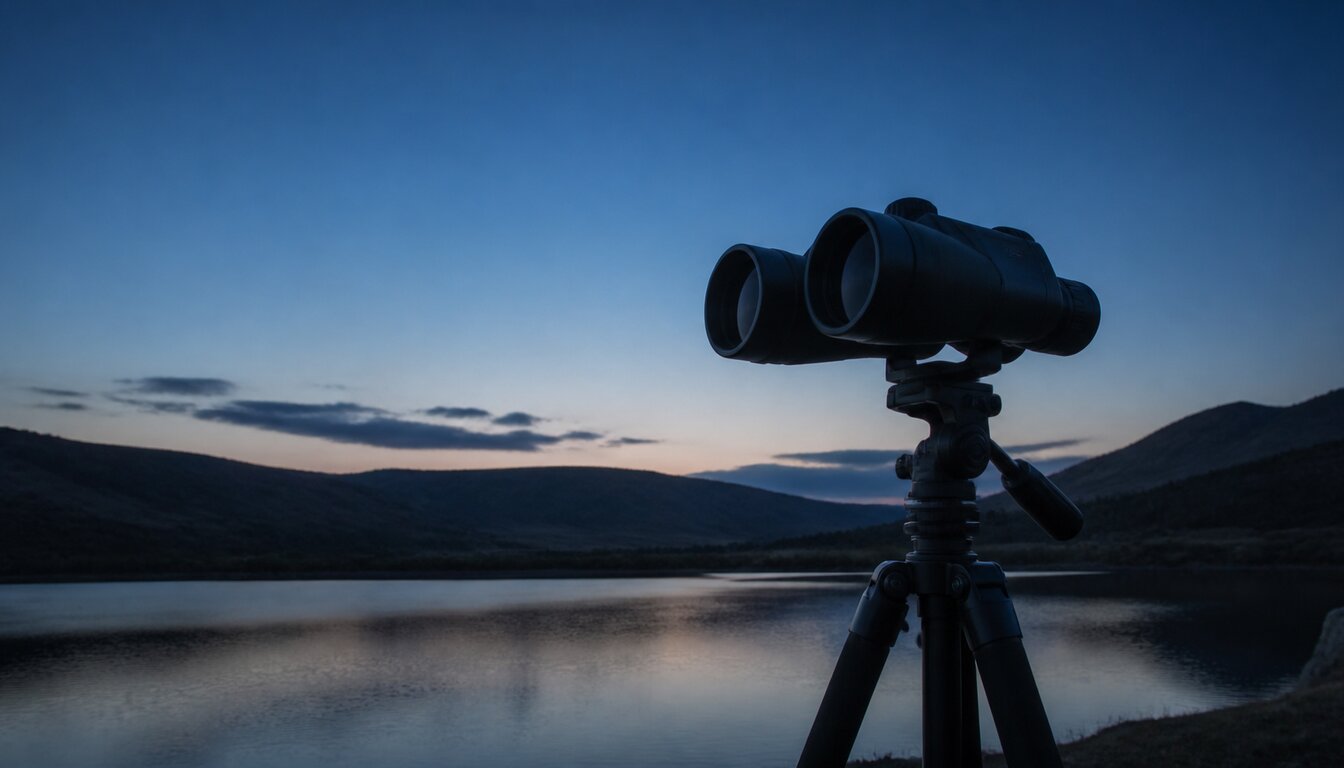
Astronomy Binoculars
A wide field and steady support can reveal more than a rushed upgrade.
· Objects
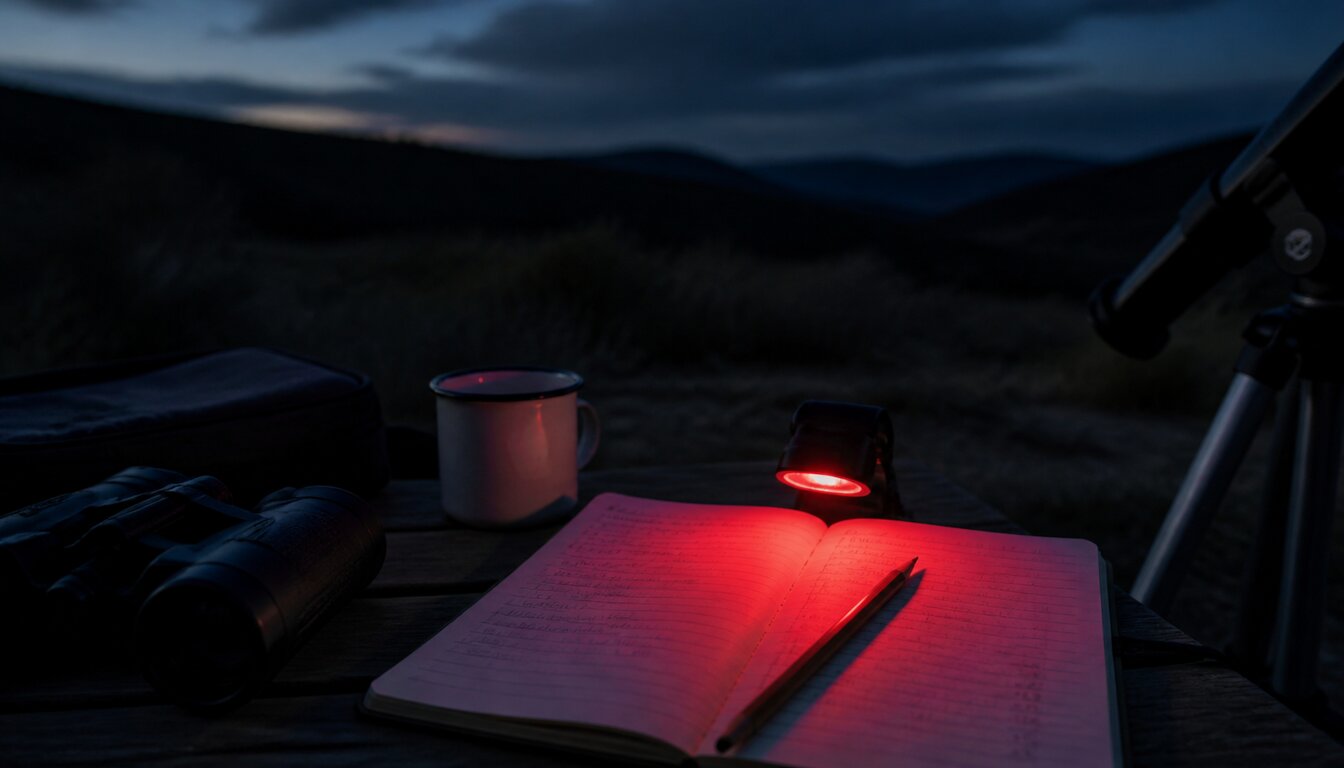
Moon Observing
The terminator turns a familiar object into a reliable first-night laboratory.
· Observe
What You Can See
Visual observing is subtle, rewarding, and shaped by the sky above the instrument.
· Used
Used Telescope Checklist
A printable order for checking optics, mechanics, mount, and missing pieces.

· Observe
Catholic Heritage and Liturgical Objects
A beginner's guide to Catholic heritage and liturgical objects: how to identify, understand, and care for devotional items.
Fieldbook routes
A reference grows by following questions.
Field IndexObserveEquipmentTelescopesUsed GearWhat Is Astronomy?Astronomy for BeginnersAstronomers’ ToolsAstronomy BinocularsFirst TelescopeWhat You Can SeeFirst NightUsed Telescope ChecklistSolar Observing SafetyTelescope EyepiecesTelescope MagnificationAlign a FinderDark AdaptationLight PollutionMoon ObservingJupiter ObservingSaturn ObservingOrion NebulaAndromeda GalaxyPleiadesMethodologySourcesContactFind a ClubPlanning SoftwarePhoto and Visual ViewsAboutLegal NoticePrivacy PolicyEditorial PolicySponsored ContentField EditorSky Charts Before the WebAn Observing Log on a MacThe Cross-Quarter Days in the SkyA Personal Haiku Project on the Civil WarDark Swords and Historical Sword RecordsOnline retail after the pandemic shiftResponsible Dress: A Field MethodJabber and XMPP: Open Messaging ExplainedWatercolor Washes, Glazing, and Muddy ColorFaith in Company: How Belief Was PracticedYarn Shops as Physical PlacesIndependent Music: A Field Guide to First RecordsRadio Cluster Hiring: A Field GuidePC Stability and Diagnostics: A Field MethodUS Model Replica Shops: A Field GuideAmerican Wooden Lure Makers: A Field GuideTraditional Pop: A Field Guide to RecordsIndoor Play for Young ChildrenTeaching Windows Upkeep as a SkillCoffee Grind and Water: A Field Guide
Reference shelf
Pages worth keeping under the stars.
These guides stay on the shelf because they are revisited when conditions, equipment, or a careful source check changes the next observing decision, with clear notes for repeatable planning.
· REFERENCE
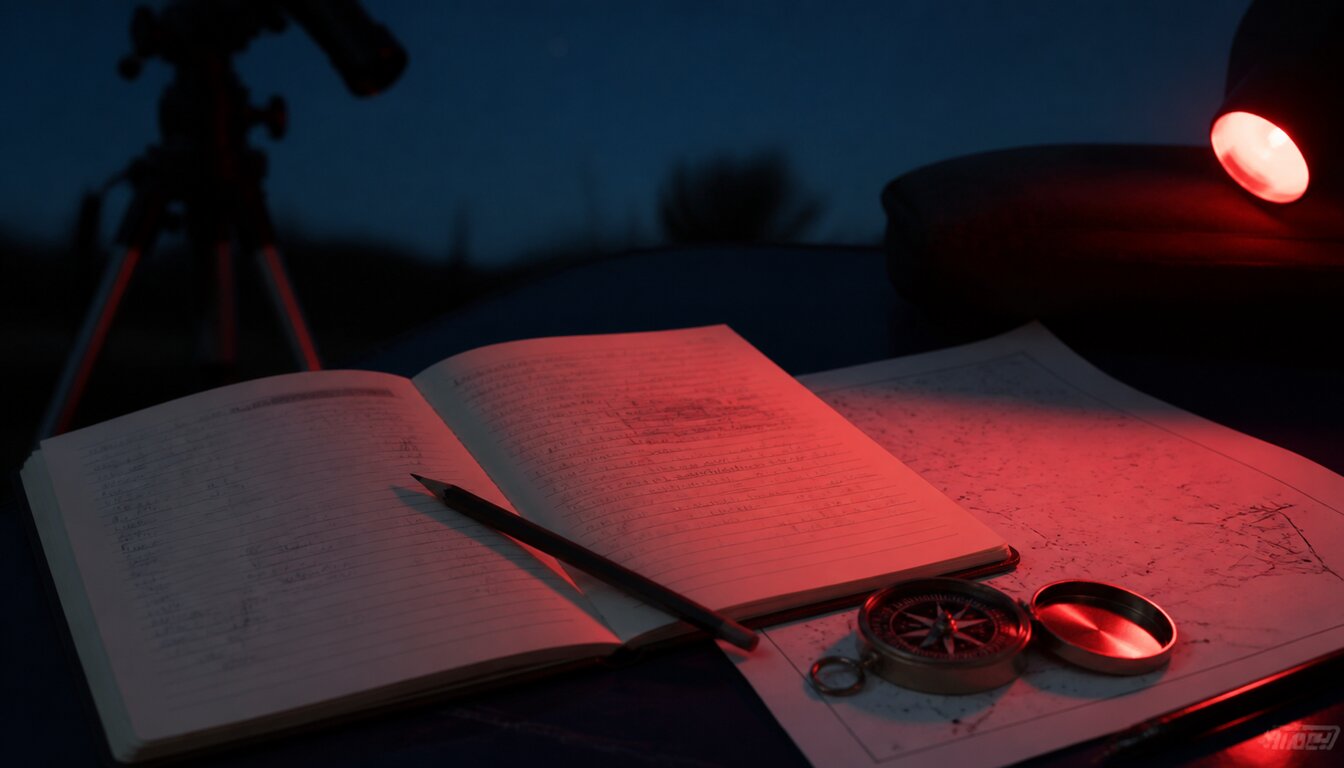
Used Telescope Checklist
A printable order for checking optics, mechanics, mount, and missing pieces.
· SAFETY
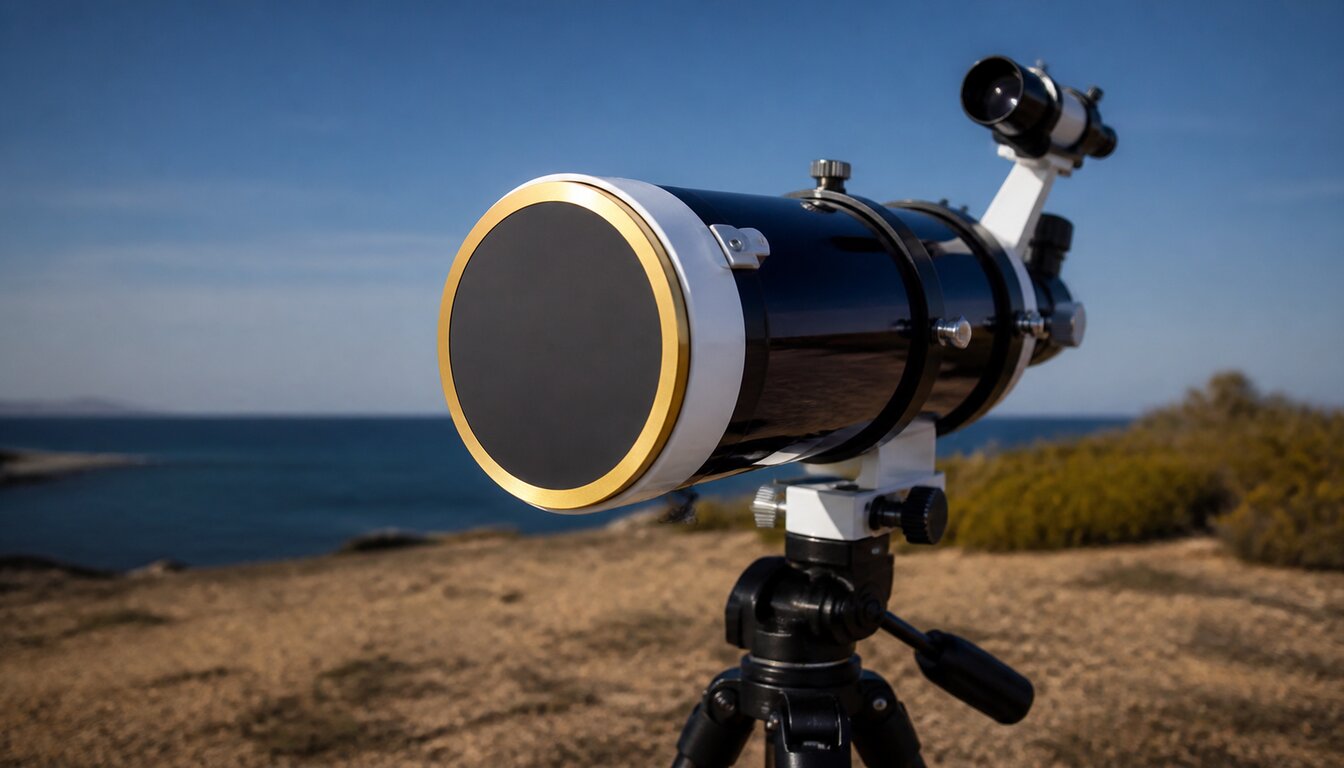
Solar Observing Safety
The Sun is a special case: use purpose-built front filters and current safety guidance.
· FIELD INDEX
Andromeda Galaxy
Find the bright core first, then let dark sky and averted vision reveal the rest.
Beyond the fieldbook
Other practical desks
Outside astronomy, these independent publications explain their own specialist subjects in clear, useful terms.





· Observe
Hydrogen systems research
Une publication indépendante à découvrir en complément de nos pages.
Observers who learn the sky at the eyepiece can watch it rebuilt in paint at pixelimits.com, a working reference on space art built on physics where star colour, nebulae and the terminator follow real physics.
Above the observer sits the same sky that satellites read from the other side, and Ground Truth Asia covers that work over Asian territories: its pages on choosing satellite data asia compare the open archives with the national missions, explain resolution, revisit and licence terms, and follow the field checks that keep a map honest.